
10 Common Home Lighting Mistakes That Make Rooms Feel Flat
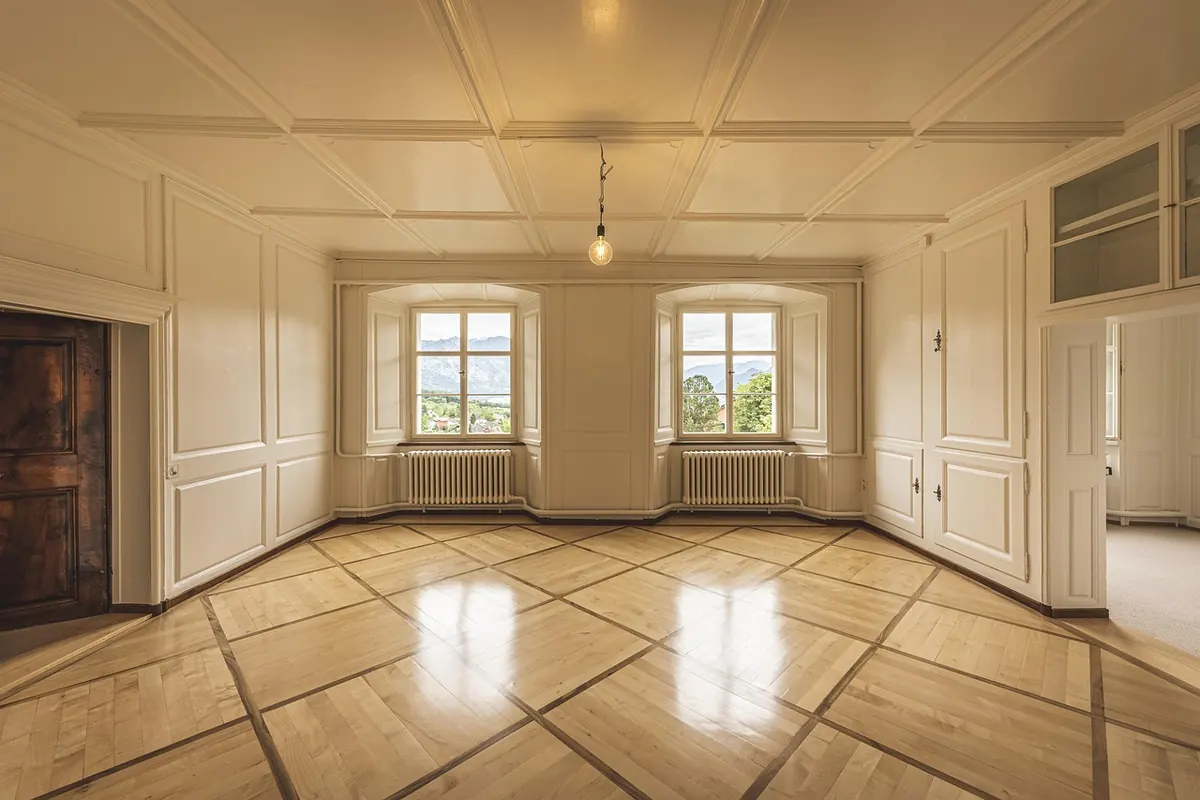
10 Common Home Lighting Mistakes That Make Rooms Feel Flat
A room can have good furniture, a decent rug and a coat of paint you spent a weekend choosing, and still feel like a waiting area. Light is usually the reason, but not in the way people expect. It is rarely the fault of a single fixture. It is the arrangement: one bright source in the middle of the ceiling, bulbs picked in a hurry at the hardware store, nothing at the height where you actually sit and read. Most of these fixes cost an afternoon and a couple of plug-in lamps rather than an electrician. The goal is not more light. It is better-placed light, with a little contrast and a little control.
Below are the mistakes that show up again and again, from rental flats with one overhead bulb to renovated houses where every recessed light is on the same dimmer. None of them require a full rewire to improve. A few require you to stop thinking in fixtures and start thinking in layers.
Start With Layers, Not Fixtures
Manufacturers sell fixtures. Rooms need light. Those are different things, and confusing them is behind half the flat rooms you see. A fixture is an object on a ceiling or a table; light is what lands on faces, pages, walls and food. When you shop for a lamp because the room feels dim, you often buy another bright object. When you shop for a layer because the room feels flat, you buy a pool of light exactly where the room needs it.
Mistake 1: Letting one ceiling light do everything
A single pendant or flush mount gives you ambient light — general illumination that lets you see the sofa and find the door. What it does not give you is task light or accent light, and it does not put shadows in interesting places. Every surface receives roughly the same flat wash from above, which is exactly how a shop window looks at closing time.
Factory floors are lit that way for good reason. Living rooms are not factory floors. Aim for at least three sources in a main room, each doing a different job: overhead for general light, a table or floor lamp for the chair where you sit, and something small and directional for a wall, a plant or a shelf. Bedrooms are easy — ceiling, two bedside lamps, one lamp on a dresser or beside a reading chair. The ceiling light can even stay off most evenings if the lamps are doing their job.
An example: a living room with a 9-foot ceiling and a single 60-watt-equivalent flush mount will feel brightest at the crown of your head and dimmest at the book in your lap. Add a floor lamp behind the reading chair and a small table lamp on the sideboard, and suddenly the room has a middle distance. The ceiling light is no longer the star. It is the base coat.
Mistake 2: Treating downlights as a personality
Recessed downlights are useful. A grid of six of them in a small living room is not. They punch cones of light into the floor, leave the walls dark, and make everyone look as if they are being interviewed for a documentary about tax fraud. If you already have them, put them on a dimmer and use them sparingly. If you are adding light, consider wall washers, picture lights, or lamps that bounce light off the ceiling instead of aiming it at the rug.
Mistake 3: Buying bulbs by wattage alone
Wattage tells you how much power a bulb uses, not what the light will feel like. The two numbers that matter more are color temperature, measured in kelvin, and color rendering, measured as CRI. A 2700K bulb feels warm and slightly yellow; a 3000K bulb is cleaner and still warm; a 4000K bulb starts to feel like an office corridor. For most homes, stay between 2700K and 3000K in living areas, and use warmer bulbs in bedrooms and lamps. Look for a CRI of 90 or higher if you care about wood tones, skin, and food not looking grey.
Also check whether the bulb is dimmable. Putting a non-dimmable LED on a dimmer is a reliable way to get flicker, buzz, or a dimmer that only works between 80 and 100 percent. The hardware store bulb is not always the bargain it appears to be.
Mistake 4: Putting every light on one switch
One switch for the whole room forces you to choose between too much and nothing. Layer the controls: ceiling light on one switch, lamps on another, maybe a floor lamp on a smart plug or a dimmer. The point is to be able to walk into the room at 9 p.m. and turn on two low lamps instead of the overhead. If you rent, plug-in dimmers and smart bulbs are cheap and reversible. If you own, a dimmer on the main switch is one of the best small electrical upgrades you can make.
Mistake 5: Hanging pendants and lamps at the wrong height
A dining pendant hung too high lights the ceiling and not the table. A table lamp whose shade sits below your eye line glares at you while you read. A floor lamp tucked behind the sofa may be invisible from the chair. Height is not a detail; it is the difference between light that lands on the task and light that lands on your retina. For a dining table, the bottom of the shade usually wants to sit about 30 to 36 inches above the tabletop. For a reading lamp, the shade should be roughly at eye level when you are seated, so the bulb is hidden but the page is lit.
Mistake 6: Forgetting the walls and ceiling
Flat rooms often have bright floors and dark walls. Light aimed only downward never washes the vertical surfaces, so the room loses its sense of height and depth. A wall that receives a soft gradient of light feels farther away and more interesting. You do not need a designer: a floor lamp aimed at a wall, a picture light, or a small uplight behind a plant can do it. Even a lamp placed close to a wall will throw a useful pool of light and shadow.
Mistake 7: Using cool white bulbs in warm rooms
Color temperature is the fastest way to make a cozy room feel like a dentist's waiting area. A 5000K bulb in a bedside lamp is harsh at 11 p.m. and makes wood furniture look grey. Warm bulbs are not automatically better everywhere — a task light in a home office may benefit from 3000K or 3500K — but the mismatch is usually the problem. Pick a lane for each room and stay in it. If you mix, do it deliberately: warm lamps at low height, slightly cooler light for the ceiling or task work.
Mistake 8: Exposing the bulb and calling it a look
Bare bulbs can look great in a carefully styled loft or above a bar. In a normal living room, an exposed bulb at eye level is glare. Glare is not brightness; it is uncomfortable light entering your field of view. A shade, a diffuser, or a deeper fixture solves it. The same applies to clear-glass pendants over a dining table: they can look elegant when off and unpleasantly sparkly when on. If you can see the filament from your usual seat, you will feel it.
Mistake 9: Overlighting a small room
Small rooms often get more light, not better light, because the instinct is to compensate for the size. But a small room with six bright downlights feels like a changing room. It is better to use two or three low-output sources with warm bulbs and let the corners stay a little shadowed. Shadows give a room shape. The aim is not to eliminate them; it is to put them where they flatter.
Mistake 10: Never changing the light from day to night
Daylight is cool and bright; evening light should be warmer and lower. A room that looks the same at noon and midnight is missing one of the easiest tricks in lighting. Put the ceiling light on a dimmer, use lamps for the evening, and consider smart bulbs that shift from 3000K to 2200K after sunset. This is not about gadgetry. It is about matching the light to what you are doing: working, eating, reading, or winding down.
A Quick Room-by-Room Fix
If you are not sure where to start, work room by room and focus on the layer that is missing.
- Living room: Keep the ceiling light for cleaning and general use, then add a floor lamp beside the main seating and a small table lamp on a side table. Aim one light at a wall to give the room depth.
- Bedroom: Turn off the overhead at night. Use two bedside lamps with warm, dimmable bulbs, and add a low lamp on a dresser if the room still feels dark. The goal is enough light to read by and not enough to wake you up.
- Dining room: Hang the pendant lower than you think, centered over the table, and put it on a dimmer. Candlelight is dim for a reason; dinner does not need 4000K.
- Home office: Use a task lamp with a shade that directs light onto the desk, plus softer ambient light behind you. Avoid a bright window behind the screen and a single ceiling light overhead.
- Hallway: A small table lamp or a wall sconce at eye level does more for a hallway than a row of downlights. It also makes the walk to the kitchen at night less clinical.
The 15-Minute Lighting Audit
You can diagnose most flat rooms without buying anything. Wait until it is dark, then walk through the house and look at the light rather than the furniture.
- Turn on only the main ceiling light. Notice where the light lands and where it leaves shadows. If every corner looks the same, the room is probably under-layered.
- Turn on every lamp you own. If the room suddenly feels better, you already know the fix: use the lamps more and the ceiling less.
- Sit where you usually sit. Can you see a bare bulb or the bright edge of a shade? That is glare. Move the lamp or add a shade.
- Look at the walls. Are they dark while the floor is bright? Add a light that washes a wall or a corner.
- Check the bulb labels. If you see 4000K or 5000K in a living room or bedroom, consider swapping to 2700K or 3000K.
- Ask what the light is for. If one switch controls everything, decide which source should be the evening default and put it on a dimmer or smart plug.
A good lighting scheme is not the one with the most light. It is the one where you can see what you are doing, and still want to stay in the room afterward.
Most of these mistakes are cheap to fix because they are about arrangement, not amperage. Start with the lamp you already own, move it to the place where you actually sit, and see how much the room changes. Then add one more layer, and one more. A room does not need to be bright to feel alive. It needs light in the right places, at the right heights, with a little contrast to make the shadows earn their keep.
Photo: RandyJost / Pixabay