
Energy-Saving Lighting Checklist for Every Room
Energy-Saving Lighting Checklist for Every Room
Lighting is one of the few home upgrades you can make room by room, without a major renovation or a large upfront spend. The trick is to start where the switches are used most, fix the easy waste first, and leave the decorative choices for later. This checklist walks through the whole house, from the bulb in a bedside lamp to the motion sensor in the hallway, so you can work through it at your own pace. You do not need to finish in a weekend; even swapping the bulbs in the two most-used rooms can make a difference on the next bill.
Begin with a quick bulb audit
Before you buy anything, walk through your home and note what is actually in each fixture. Check the base, the shape, the wattage, and whether the bulb sits in an enclosed shade or on a dimmer circuit. That last detail matters: not every LED is dimmable, and not every dimmable LED behaves well with an older dimmer switch. A bulb may also be too large for a shade or too directional for a diffuser, so it is worth checking the fit before you stock up.
Use lumens to compare brightness, not watts. A bulb that gives the light you want at a lower wattage is doing its job. Color temperature is the other number to notice: warmer light for relaxing rooms, cooler light for tasks and utility spaces. As a rule of thumb, 2700K to 3000K feels warm and homey; 4000K is crisper and works well in kitchens, garages, and utility rooms. If you are replacing a bulb in a fixture you use every evening, put that one at the top of your list.
- Count the fixtures that are on for more than an hour a day.
- Note the base type, bulb shape, and whether the fixture is enclosed.
- Check dimmer compatibility before buying a dimmable LED.
- Write down the color temperature you prefer in each room.
- Replace the highest-use bulbs first, then work outward.
- Mark any fixture that flickers, buzzes, or takes time to warm up.
Keep a small box of spare LEDs in the cupboard. A failed bulb is easier to replace with the right one when you already have it on hand. Add a note on your phone listing the bulb types in the rooms you use most, and you will avoid buying the wrong base or color temperature in a hurry.
Living room: layer light and stop flooding the room
Living rooms usually have more light sources than they need at any one time. A ceiling fixture, a floor lamp, a table lamp, and maybe a reading light can all be useful, but they do not all need to be on together. The goal is layers: a soft general glow, a brighter pool of light where someone is reading or working, and a low light for evenings.
Swap the bulbs in the lamps you use most to LED, and check that the lampshade is not trapping heat or blocking too much light. If the room has a dimmer, use it. Dimming a lamp in the evening is often more comfortable than switching on the main light at full brightness. Plug-in smart plugs or timer plugs can help with lamps that are easy to leave on by accident, especially in a room where the main switch controls several fittings at once.
Living room checklist
- Replace bulbs in floor and table lamps with warm-white LEDs.
- Put the main ceiling light on a separate switch from the lamps if possible.
- Use a dimmer or a lower-output bulb for evening light.
- Add a focused reading lamp instead of brightening the whole room.
- Switch off decorative and background lighting when the room is empty.
- Use a timer or smart plug for lamps that are often left on.
Kitchen: bright where you work, calmer everywhere else
Kitchens need good light for chopping, cooking, and cleaning, but that does not mean every surface has to be lit to the same level. Start with the task areas: the counter, the hob, the sink. Under-cabinet LED strips are practical because they put light exactly where your hands are working, and they can often be switched separately from the ceiling lights.
Halogen spotlights are a common place to find wasted heat and unnecessary brightness. If you have them, look for LED replacements with a similar beam angle and a color temperature that suits the room. Clean the diffusers and lamp covers, too. Dust and cooking film can steal a surprising amount of light, which tempts you to add more fixtures or brighter bulbs. A quick wipe every few months can restore more brightness than a bulb upgrade in some kitchens.
Kitchen checklist
- Replace halogen spots and puck lights with suitable LEDs.
- Add an under-cabinet LED strip on its own switch.
- Use a lower general light for evening use and full light for cooking.
- Clean lamp covers, diffusers, and extractor lights regularly.
- Turn off task lighting when the kitchen is not in use.
- Check that spotlights are not aimed into dark corners where they do no useful work.
Bedroom: comfort first, then control
Bedrooms are often overlooked because the lights are not on for long stretches. But a bright ceiling light at bedtime can be uncomfortable, and a bedside lamp that stays on while you sleep is pure waste. Aim for a low, warm light near the bed and a brighter light for dressing, cleaning, or finding things in a wardrobe. If you read in bed, use a focused lamp rather than lighting the whole room.
Small controls help here more than big fixtures. A plug-in timer or smart plug on a bedside lamp can turn it off automatically if you tend to drift off. A dimmer beside the bed is convenient, but make sure the bulb and dimmer are compatible; otherwise you may get flicker at low levels. In children’s rooms, choose a warm, low-output nightlight instead of leaving a main light on all night.
Bedroom checklist
- Swap bedside bulbs to warm-white LEDs at a low or moderate output.
- Use a reading lamp instead of the ceiling light in the evening.
- Add a timer or smart plug for lamps that are often left on.
- Check that dimmers work smoothly with the new bulbs.
- Use a low-output nightlight rather than an all-night room light.
Bathroom and hallway: short visits, quick wins
Bathrooms and hallways are high-traffic spaces where lights are switched on and off many times a day. That makes them good candidates for efficient bulbs and simple controls. In a bathroom, the mirror light matters most for shaving and makeup, while the general light can be softer. If you have a row of vanity bulbs, replace them all at once so the color and brightness match.
Hallways often have more light than they need, especially if a single switch controls a row of ceiling fittings. Motion sensors can help in hallways, stairwells, and utility corridors, but set them to a short delay and a sensible sensitivity. A light that stays on for ten minutes after every trip to the bathroom wastes more than it saves. In older homes, check that the sensor is compatible with the existing wiring and bulb type.
Bathroom and hallway checklist
- Replace vanity and ceiling bulbs with LEDs suited to damp locations.
- Match color temperature across visible bulbs in the same fixture.
- Use a motion sensor in hallways with a short on-time setting.
- Switch off mirror lights when they are not needed.
- Clean extractor and ceiling light covers to keep output strong.
Home office and utility areas: task light without overkill
A home office needs light where you look, not necessarily a bright ceiling panel. A desk lamp with an adjustable arm can put light on the keyboard and papers while keeping the rest of the room comfortable. Position it so the light does not reflect directly off the screen. If you work in the evening, a warm desk lamp plus a low background light is often easier on the eyes than a single cold overhead light.
Utility rooms, garages, and workshops are different: here, bright, even light is useful for safety and detailed work. Replace old fluorescent tubes or halogen work lights with LED equivalents, and add a separate task light near the bench or washing machine if the ceiling light casts shadows. Do not forget outdoor security lights, either. An LED floodlight with a motion sensor uses far less energy than an older halogen unit and can be set to stay on for a shorter time.
Home office and utility checklist
- Use an adjustable LED desk lamp instead of brightening the whole room.
- Keep task light angled away from screens to reduce glare.
- Replace fluorescent or halogen utility lights with LED fittings.
- Add a focused light near workbenches and appliances.
- Set outdoor security lights to motion-only or a short timer.
Plan controls as well as bulbs
Bulbs get most of the attention, but controls decide how much energy the lighting actually uses. Separate switches for task and general lighting let you use only what you need. Dimmers, timers, and occupancy sensors can cut waste in rooms that are used briefly or unpredictably. The key is to keep the setup understandable: if a switch is confusing, it will be bypassed or left on.
Start with one or two controls that solve a real habit. If the hallway light is always left on, try a motion sensor. If a lamp burns all evening, try a timer. If the kitchen has two rows of lights, ask an electrician whether they can be split onto separate switches. These changes are often more effective than replacing a bulb that is already efficient.
Use the smallest amount of light that does the job well, and put it only where the job is happening.
Track the gains and keep it simple
You do not need a spreadsheet for every bulb, but a simple record helps. Note what you replaced, the room, the date, and the wattage. When a bulb fails, you will know what to buy without guessing. Keep receipts for any dimmers or sensors, and write the model number inside a cupboard door or in a note on your phone.
Finally, build a short maintenance routine. Dust lampshades and diffusers every few months, check outdoor fittings after storms, and replace failed bulbs promptly with the same color temperature. Energy-saving lighting works best when it is maintained, not just installed. Work room by room, finish the easy wins, and let the savings add up.
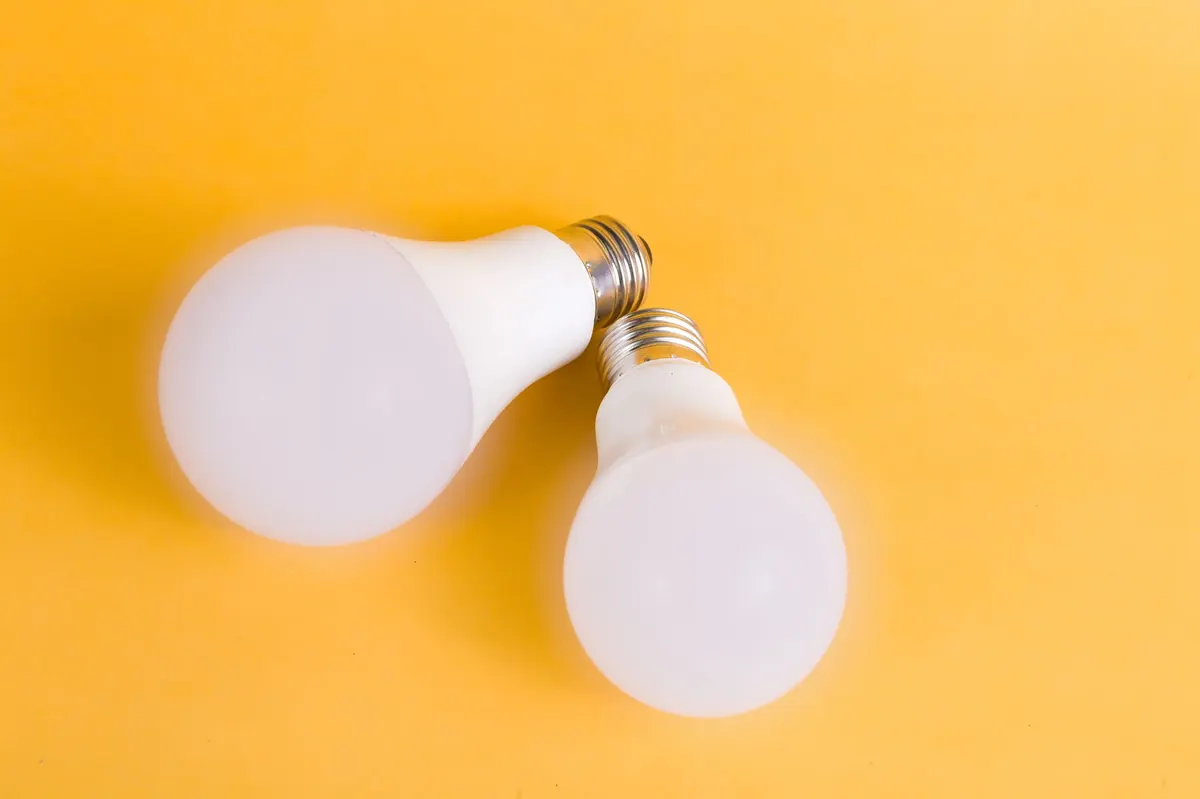
Photo: Riki Risnandar / Pexels